






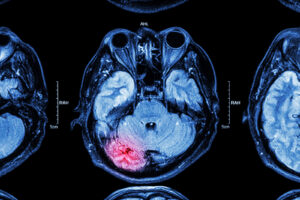
 A crash on the 91, I-15, or a Corona street can leave you with a brain injury that is difficult to diagnose, explain, and live with. Problems with memory, concentration, judgment, mood, balance, or persistent headaches may interfere with your job, your relationships, and basic daily tasks even when the injury is not obvious to others.
A brain injury claim often depends on more than proving that an accident occurred. Medical records, neurological findings, witness accounts, changes in your ability to work, and evidence of future treatment needs can all shape the value of the case. In the sections below, the Law Offices of Samer Habbas & Associates explains the major types and causes of brain injuries, who may be legally responsible, what evidence can strengthen your claim, what compensation may be available, and how a Corona brain injury lawyer can help you build the case.
Brain Injury Lawyer in Corona
Law Offices of Samer Habbas & Associates has recovered more than $450 million for injured clients, including a $1.5 million settlement for a severe brain injury. Brain injury claims often require detailed medical evidence, proof of cognitive or neurological changes, and documentation of how the injury may affect work and daily life for years to come. If you suffered a brain injury in Corona, call Law Offices of Samer Habbas & Associates at (951) 432-5531 or contact us online for a free consultation.
Main Types of Brain-Related Injuries
Concussion or Mild Traumatic Brain Injury — A sudden blow, jolt, or forceful movement of your head can cause your brain to move rapidly inside your skull and disrupt normal brain function. You do not have to lose consciousness to suffer a concussion. You may experience headaches, dizziness, confusion, memory problems, trouble concentrating, sensitivity to light or noise, mood changes, sleep problems, or slowed thinking. Your CT scan can also appear normal even when you have a concussion. Although doctors often describe a concussion as a “mild” traumatic brain injury, your symptoms can still interfere with your work, relationships, driving, and everyday activities.
Brain Contusion and Coup-Contrecoup Injury — When your brain strikes the inside of your skull, brain tissue can become bruised and damaged. A strong impact may injure the area directly beneath the point where your head was struck. In a coup-contrecoup injury, the force can cause your brain to move across your skull and become injured on both the side of the initial impact and the opposite side. You may develop swelling, bleeding, confusion, weakness, speech problems, or other neurological symptoms that require immediate medical attention.
Diffuse Axonal Injury — Violent twisting, rotation, acceleration, or deceleration can stretch or tear the nerve fibers that allow different parts of your brain to communicate. You can suffer this type of traumatic brain injury in a serious Corona car crash, truck collision, motorcycle accident, pedestrian accident, or fall. Because the damage can affect many areas of your brain at once, you may experience significant problems with consciousness, memory, movement, behavior, attention, or other cognitive functions.
Brain Hemorrhage or Hematoma — Bleeding in or around your brain can place dangerous pressure on brain tissue. Depending on where the blood collects, doctors may diagnose you with a subdural hematoma, epidural hematoma, subarachnoid hemorrhage, or intracerebral hemorrhage. Your symptoms can include a worsening headache, vomiting, confusion, weakness, seizures, loss of consciousness, or changes in your speech or vision. Some brain bleeds can worsen rapidly, making prompt diagnosis and treatment especially important after a serious accident in Corona.
Penetrating or Open Brain Injury — If an object or broken piece of skull passes through the protective structures around your brain, you can suffer direct damage to brain tissue. These injuries may result from severe crashes, falling objects, workplace accidents, defective equipment, or other violent incidents. You may face serious bleeding, infection, permanent neurological problems, emergency surgery, and extensive rehabilitation.
Hypoxic or Anoxic Brain Injury — When your brain does not receive enough oxygen, brain cells can become damaged even when you never suffer a direct blow to your head. Hypoxic injuries involve reduced oxygen, while anoxic injuries involve a complete or near-complete loss of oxygen. You could suffer this type of brain damage after a drowning, choking incident, carbon monoxide exposure, airway problem, anesthesia complication, or another event that interrupts your oxygen supply. The effects can include memory loss, cognitive impairment, movement problems, behavioral changes, and permanent disability.
Secondary Brain Damage — Your neurological condition can continue to change after the initial injury. Swelling, increased pressure inside your skull, seizures, reduced blood flow, or additional oxygen deprivation can cause further brain damage in the hours or days that follow. For this reason, the full extent of your brain injury may not always be clear immediately after an accident, and your doctors may need time to determine your long-term prognosis.
Common Causes of Brain Trauma
Car and Truck Accidents — A serious car collision or truck accident can make your head strike a window, steering wheel, dashboard, headrest, or another object. You can also suffer a traumatic brain injury when the force of a crash causes your brain to move violently inside your skull, even without a direct head impact. High-speed crashes on Corona roads and freeways can create especially severe acceleration and deceleration forces.
Motorcycle, Bicycle, and Pedestrian Accidents — Without the protection of an enclosed vehicle, your head may absorb tremendous force when you are struck by a vehicle or thrown onto the pavement. Motorcycle and bicycle accidents can cause concussions, brain bleeding, contusions, diffuse axonal injuries, and other serious neurological damage.
Falls — Losing your footing or falling from a height can cause your head to strike a floor, stair, railing, curb, or other hard surface. Brain injuries can result from falls in stores, parking areas, apartment buildings, workplaces, construction sites, and other properties throughout Corona.
Workplace and Construction Accidents — Falling materials, heavy equipment, machinery, vehicle impacts, explosions, and falls from ladders, scaffolding, roofs, or elevated platforms can expose your head to severe trauma. Some workplace incidents can also cause oxygen deprivation or multiple injuries that complicate your recovery.
Assaults and Violent Incidents — Being struck, kicked, shot, strangled, or subjected to another violent act can damage your brain through direct trauma, penetrating injury, or loss of oxygen.
Oxygen Deprivation Events — Drowning, choking, carbon monoxide exposure, airway obstruction, anesthesia complications, or other emergencies can prevent your brain from receiving the oxygen it needs, potentially causing permanent hypoxic or anoxic brain damage.
Where Brain Injuries Can Happen in Corona
Corona Freeways and Interchanges — Your risk of suffering a serious head injury can arise anywhere a high-speed collision occurs, including along State Route 91 and Interstate 15. The 15/91 interchange is a major transportation connection in Corona, while the 71/91 interchange links routes used by commuters and freight traffic traveling between Riverside, Orange, and San Bernardino counties.
Busy Corona Streets — Crashes involving cars, trucks, motorcycles, bicycles, and pedestrians can also happen along heavily traveled local roads such as Main Street, Magnolia Avenue, McKinley Street, and Green River Road.
Other Places Around Corona — You may also suffer a brain injury at a construction site, warehouse, workplace, shopping center, parking lot, apartment complex, school, sports facility, swimming pool, hospital, or other property where a fall, impact, violent incident, or oxygen-deprivation event occurs.
Who Can Be Liable for Your Brain Injury
Negligent Drivers and Vehicle Owners — Under California Civil Code § 1714, a person can be responsible for injuries caused by failing to use reasonable care. If another driver causes your brain injury, that rule may support your negligence claim. California Vehicle Code § 17150 can also make a vehicle owner responsible when someone negligently operates the vehicle with the owner’s express or implied permission.
Employers and Companies — Under California Civil Code § 2338, an employer or other principal may be responsible for wrongful acts committed by an employee or agent while carrying out the employer’s business. This can matter when a commercial driver or other worker causes your injury while working.
Property Owners and Businesses — California Civil Code § 1714 also applies when unsafe property causes your injury. A property owner or business may be responsible if reasonable care could have prevented a dangerous condition that caused your fall or head trauma.
Cities and Other Public Entities — California Government Code § 835 allows liability for injuries caused by dangerous public property, including certain dangerous roads, sidewalks, or other government property.
Third Parties in Workplace Accidents — California Labor Code § 3602 generally makes workers’ compensation the exclusive remedy against your employer for workplace injuries. However, California Labor Code § 3852 preserves your right to seek damages from another person or company that caused your workplace brain injury.
Fatal Brain Injuries — Under California Code of Civil Procedure § 377.60, specified surviving family members or the personal representative may bring a wrongful death claim when another party’s wrongful act or neglect causes death. Under California Code of Civil Procedure § 377.30, the estate may continue certain claims the person could have brought before death.
Statute of Limitations — California Code of Civil Procedure § 335.1 generally gives you two years to file a personal injury or wrongful death lawsuit; California Government Code § 911.2 generally gives you six months to present a claim against a public entity; and California Code of Civil Procedure § 340.5 generally requires medical malpractice claims within one year of discovery or three years of injury, whichever comes first.
How a Corona Brain Injury Attorney Builds Your Case
Investigating Your Corona Brain Injury — Your lawyer can investigate crashes on SR-91, I-15, the 15/91 interchange, and Corona streets by seeking collision reports, video, vehicle data, witness statements, and other evidence showing how forces from the accident damaged your brain.
Proving Brain Damage and Future Needs — Brain injuries can affect memory, concentration, personality, judgment, and your ability to work even when injuries are not visible. Your lawyer can use neurological records, neuropsychological testing, imaging, rehabilitation evidence, and qualified experts to document those losses and your future care needs.
Handling Your Brain Injury Insurance Claim — Your Corona brain injury attorney can challenge insurer arguments that normal imaging, delayed symptoms, or a “mild” concussion means you have no serious injury and pursue all available insurance coverage.
Taking Your Corona Brain Injury Case to Court — When a fair settlement is not offered, your personal injury lawyer can pursue your claim in the appropriate Riverside County court and present medical and expert evidence establishing your long-term neurological losses.
Fighting for Your Full Compensation — Your claim may include medical care, rehabilitation, future assistance, lost income, reduced earning capacity, pain, cognitive limitations, and loss of enjoyment of life. When a brain injury is fatal, surviving family members may seek compensation for funeral costs, lost financial support, lost household contributions, and the loss of companionship and guidance.
Contact Corona California Brain Injury Lawyers
A serious brain injury can change how you think, work, communicate, manage daily tasks, and care for yourself, sometimes for years or permanently. That makes it important to work with attorneys who understand not only the immediate medical bills, but also the long-term effect the injury may have on your income, independence, and future care needs. Law Offices of Samer Habbas & Associates represents brain injury victims in Corona and has recovered more than $450 million for injured clients. The firm has also been recognized by Best Lawyers and is listed among the Brain Injury Association of America’s Preferred Attorneys. Contact Law Offices of Samer Habbas & Associates at (951) 432-5531 or online for a free consultation.