






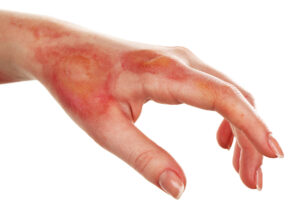
 A serious burn can mean far more than an emergency-room visit. Skin grafts, scarring, nerve damage, limited movement, and repeated procedures can affect how you work, sleep, and handle everyday life. In Corona, burn injuries may result from fires, vehicle crashes, workplace accidents, electrical hazards, chemicals, or defective products.
If another person or company caused the injury, a Corona burn injury lawyer can determine who may be responsible, deal with the insurers involved, and pursue compensation for your treatment, lost income, pain, and lasting limitations. Below, Law Offices of Samer Habbas & Associates explains how these claims work, who may be liable, and how a lawyer can fight for a recovery that reflects the full impact of your injury.
Burn Injury Lawyer in Corona
Law Offices of Samer Habbas & Associates has recovered more than $450 million for injured clients, including a $200,000 settlement in a burn injury case. When serious burns involve permanent scarring, future procedures, or disputed responsibility, the firm’s experienced attorneys can build the evidence, challenge the other side’s defenses, and fight for full compensation. Contact Law Offices of Samer Habbas & Associates by calling (951) 432-5531 or contacting us online for a free consultation.
Types of Burns You May Suffer in Corona
Thermal Burns — Heat from flames, hot liquids, steam, or heated objects can damage your skin and underlying tissue. In Corona, you could suffer this type of burn in a house or apartment fire, vehicle fire, restaurant accident, workplace incident, or explosion. The seriousness of your injury depends on the temperature, the length of exposure, and how much of your body is affected.
Chemical Burns — Contact with acids, alkalis, cleaning agents, solvents, industrial chemicals, or other corrosive substances can continue damaging your tissue even after the initial exposure. You may suffer injuries to your skin, eyes, respiratory system, or internal organs. These burns can occur at industrial workplaces, construction sites, businesses, or other locations where hazardous substances are used or stored.
Electrical Burns — Exposure to an electrical current can cause much more damage than you see on the surface of your skin. Electricity may travel through your body and injure muscles, nerves, blood vessels, and internal organs. You could suffer an electrical burn from exposed wiring, faulty equipment, power lines, defective appliances, electrical panels, or machinery.
Friction Burns — Scraping against a rough surface can create both abrasion and heat damage. If you are involved in a motorcycle, bicycle, e-bike, or pedestrian accident in Corona, you may experience severe road rash when your skin slides across pavement. Moving belts, ropes, or industrial machinery can cause similar injuries in workplace accidents.
Radiation Burns — Exposure to certain forms of radiation can injure your skin and underlying tissue. Although these injuries are less common than burns caused by fire, electricity, or chemicals, you could experience them through excessive ultraviolet exposure or occupational, industrial, or medical sources of radiation.
Inhalation Burns — Breathing smoke, superheated air, steam, or toxic fumes during a fire can seriously injure your airway and lungs. You may develop swelling, breathing problems, or toxic-gas exposure even when your visible skin burns appear limited. Because respiratory injuries can rapidly become life-threatening, they may be among the most dangerous consequences of a serious fire.
First-Degree Burns — Damage at this level affects only the outer layer of your skin. You may experience redness, tenderness, swelling, and pain without deeper tissue destruction. These injuries are often described medically as superficial burns.
Second-Degree Burns — Deeper damage extends into portions of your skin beneath the surface and commonly causes significant pain, redness, swelling, and blistering. Doctors may classify your injury as superficial partial-thickness or deep partial-thickness depending on how far the tissue damage extends.
Third-Degree Burns — Full-thickness damage destroys all layers of your skin and may affect underlying tissue. Your injured area may appear white, brown, blackened, leathery, or charred. Severe cases can require skin grafting, reconstructive surgery, lengthy rehabilitation, and ongoing treatment for permanent scarring or disfigurement.
Fourth-Degree Burns — Destruction at this level extends beyond your skin into deeper structures such as fat, muscle, tendons, or bone. You may face permanent disability, extensive reconstructive treatment, amputation, or life-threatening complications. Your doctors will also evaluate the percentage of your body that is burned, the location of your injuries, inhalation damage, and related trauma when determining the full severity of your condition.
Top Causes of Burns
Electrical Fires — Faulty wiring, overloaded circuits, damaged electrical panels, defective outlets, and malfunctioning equipment can start fires or expose you directly to electrical current. These incidents may happen in homes, apartments, businesses, construction sites, warehouses, or industrial facilities.
Gas Leaks and Explosions — Natural gas, propane, gasoline vapors, and other combustible substances can ignite suddenly and cause severe thermal or inhalation burns. You may be injured by an explosion in a residence, restaurant, workplace, vehicle, or other property where fuel is stored or used.
Building Fires — Fires in apartments, hotels, offices, restaurants, warehouses, and other structures can expose you to flames, extreme heat, smoke, and toxic gases. Serious injuries may occur when a fire spreads quickly or when you cannot escape immediately.
Hot Liquids and Steam — Boiling water, cooking oil, steam, hot beverages, and heated industrial fluids can cause painful scald burns. You may encounter these hazards in restaurants, commercial kitchens, workplaces, hotels, medical facilities, or residential properties.
Vehicle Fires — A serious crash can lead to leaking fuel, electrical fires, engine fires, or battery-related thermal events. If you are trapped inside or near a burning vehicle, you may suffer extensive burns within seconds.
Defective Consumer Products — Batteries, chargers, appliances, heaters, grills, electrical devices, and other products can overheat, spark, ignite, or explode. Lithium-ion battery failures may also create intense heat and fast-moving fires.
Workplace Heat and Chemical Exposure — Welding, cutting, industrial ovens, heated machinery, hazardous chemicals, combustible dust, and compressed gases can expose you to severe burns. Construction, manufacturing, automotive, restaurant, and warehouse jobs may involve these risks.
Wildfires and Brush Fires — Fires that spread through dry vegetation or hillside areas can threaten homes, vehicles, businesses, and evacuation routes. You may suffer burns from direct flames, radiant heat, smoke, or burning debris.
Where Burn Injuries Can Happen in Corona
SR-91 and I-15 Corridors — Driving through Corona’s two major freeway corridors, especially near the SR-91 and I-15 junction, can expose you to vehicle fires, fuel fires, electrical fires, and burn hazards following serious crashes.
Corona Industrial and Manufacturing Areas — Working in or visiting local industrial properties can place you near machinery, electrical systems, chemicals, welding equipment, heated materials, and other potential burn sources.
Corona Homes and Apartments — Living in a house, apartment, condominium, or other residential property can expose you to kitchen fires, faulty electrical systems, hot water, gas appliances, heaters, and other household burn hazards.
Corona Wildland-Urban Interface Areas — If you live near Corona’s hillsides and wildland areas, you may face added exposure to brush and wildfire conditions. Thousands of structures are located in or close to designated high-hazard areas.
Corona Municipal Airport — Aircraft fueling, maintenance, engines, electrical systems, and combustible materials can create burn risks for you while working at or visiting the local airport.
Who Can Be Held Responsible for Your Burn Injury
Property Owners and Landlords — Under California Civil Code § 1714(a), property owners generally must use reasonable care to avoid causing injuries to others. If unsafe wiring, gas systems, heating equipment, or other dangerous property conditions cause your burns, the owner may be responsible. California Health and Safety Code § 13113.7 also requires residential property owners to install and maintain required smoke alarms. If an owner fails to meet those requirements and the lack of a working alarm contributes to your injuries, that failure may support a negligence claim.
Businesses and Contractors — Under California Civil Code § 1714(a), businesses and contractors can be responsible when careless conduct causes foreseeable injuries. California Evidence Code § 669 may also create a presumption of negligence when someone violates a safety law or regulation designed to prevent the type of injury you suffered.
Drivers and Vehicle Owners — Under California Vehicle Code § 17150, a vehicle owner may be responsible when someone driving the vehicle with the owner’s permission negligently causes an accident. This can matter when a Corona collision leads to a fuel fire, electrical fire, or other burn injury.
Employers and Other Workplace Companies — Under California Labor Code § 3600, qualifying job-related burns are generally covered by workers’ compensation. California Labor Code § 3852 allows you to pursue a separate claim against a responsible third party, such as an outside contractor, property owner, or equipment company.
Government Agencies — Under California Government Code § 835, a public entity may be responsible when a dangerous condition of public property causes your injury and the statutory requirements are met.
California Statute of Limitations — Under California Code of Civil Procedure § 335.1, you generally have two years to file a personal injury or wrongful death lawsuit. Government claims usually require action much sooner under California Government Code § 911.2.
How a Corona Burn Injury Attorney Builds Your Case
Preserving Burn Evidence — Your lawyer can quickly secure photographs, burned products, wiring, batteries, vehicles, surveillance footage, Corona Fire Department records, inspection documents, and other evidence before it disappears or changes.
Finding the Cause — Serious burn cases may require fire investigators, electrical engineers, product experts, or other specialists to determine how a Corona fire, explosion, electrical failure, or chemical exposure occurred.
Proving Your Burn Injuries — Your Corona burn injury attorney documents burn depth, skin grafts, reconstructive surgery, infections, scarring, disfigurement, nerve damage, rehabilitation, psychological trauma, and the medical care you may need for years.
Handling Burn Insurance Claims — Depending on what happened, your lawyer may pursue auto, homeowners, commercial liability, product liability, workers’ compensation, umbrella, or other insurance while challenging settlement offers that undervalue permanent injuries.
Filing Your Burn Injury Lawsuit — When insurers or responsible parties refuse fair compensation, your lawyer can pursue your claim through the Riverside County court system using burn experts, medical evidence, depositions, and trial testimony.
Fighting for Your Compensation — Your personal injury lawyer seeks medical expenses, future treatment, lost income, reduced earning capacity, pain, disability, and disfigurement. In a fatal burn case, surviving family members may seek damages for funeral expenses, lost financial support, lost household services, and loss of companionship.
Contact Corona California Burn Injury Lawyers
When a serious burn causes permanent scarring, lost income, or years of treatment, you need lawyers prepared to prove the full impact of the injury. Law Offices of Samer Habbas & Associates has recovered more than $450 million for injured clients, earned a first-tier Best Law Firms ranking, and secured a $200,000 settlement in a disputed burn injury case. If you or a family member suffered serious burns in Corona, the firm can build your case, take on the responsible parties and insurers, and fight for the compensation you deserve. Call (951) 432-5531 or contact us online for a free consultation.